
When you hear that a new head of the Federal Reserve has been announced, it can sound abstract or political. But this kind of change can affect something very personal, how much you pay to borrow money and how you plan for retirement.
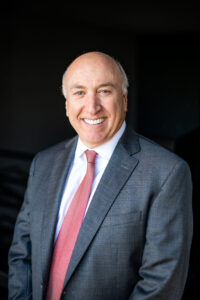
With the announcement that Kevin Warsh will take over from Jerome Powell as Chair of the Federal Reserve in 2026 (recent report from PBS NewsHour), financial markets immediately reacted. Not because everything changed overnight but because expectations changed. Let’s walk through what this means in clear, everyday language.
What does the Federal Reserve actually do? The Federal Reserve (often just called “the Fed”) helps manage the U.S. economy by influencing interest rates. Its goals are simple, in theory keep inflation under control, support job growth and maintain a stable financial system
The Fed does this mainly by setting short-term interest rates and by buying or selling bonds. The Chair of the Fed doesn’t work alone, but they set the tone, guide communication, and strongly influence how the Fed reacts when the economy heats up or slows down. That’s why markets care so much about who is in charge.
Short-term interest rates are the ones closely tied to the Fed’s decisions. These affect things like HELOC’s adjustable-rate mortgages, credit cards, and short-term business loans. When investors believe a new Fed Chair may be more willing to lower rates, short-term rates often begin drifting down before any official rate cuts happen. Markets don’t wait until they try to get ahead of what they think the Fed will do next. So even the expectation of future rate cuts can lower short-term borrowing costs.
This is where most confusion happens. Many people assume “If the Fed cuts rates, mortgage rates should fall.” But mortgage rates are tied more closely to long-term interest rates, like the 10-year Treasury not directly to the Fed’s short-term rate. Long-term rates are driven by inflation expectations, economic growth, and investor confidence and uncertainty. That’s why long-term rates can stay high or even rise, even when short-term rates are expected to fall.
One big reason has to do with the Fed’s balance sheet. Over the past decade, the Fed bought massive amounts of government bonds. This helped keep long-term rates lower. If investors believe the new Fed Chair will. slow down bond buying, letting bonds roll off faster, or reducing support for the bond market then investors demand higher interest rates to buy those bonds. Think of it like this: If fewer “big buyers” are in the market, sellers have to offer better deals at higher rates to attract buyers.
You may hear the phrase steepening yield curve in financial news. Here’s what it really means: short-term rates come down and long-term rates stay higher This creates a bigger gap between short- and long-term rates. For consumers, this can mean, variable-rate loans may improve sooner, fixed mortgage rates may lag, rate movements feel uneven and confusing,
Mortgage rates are influenced by long-term Treasury rates, inflation expectations and mortgage bond market conditions. It’s completely possible to hear “The Fed is cutting rates” and still see mortgage rates barely move or even rise. That’s frustrating but it’s normal.
During a Fed leadership change, markets tend to be jumpy. Expect more rate volatility, rates moving on speeches and headlines, uneven changes between different loan types. Short-term borrowing costs may ease first. Long-term rates may take longer or not fall much at all.
Over time, interest rates settle based on real-world results, not promises. Does inflation come down, does the economy grow steadily, can the government manage its debt? For people approaching or living in retirement, this matters because uncertainty is the new normal. Waiting for “perfect” rates can lead to missed opportunities or unnecessary stress.
This type of rate environment reinforces a few important ideas. Flexibility matters more than predictions, no one not the Fed, not Wall Street no one can perfectly time rate cycles. Lower monthly obligations and access to liquidity can be more important than shaving a fraction off a rate. Strategies that reduce required payments, improve cash flow, or create a financial buffer become especially valuable when rates move unevenly.
A new Federal Reserve Chairman doesn’t instantly change interest rates, but it changes expectations, and expectations move markets. Short-term rates usually respond first, Long-term rates move based on confidence and inflation fears, Mortgage rates follow long-term trends, not headlines. For consumers, the smartest move isn’t guessing where rates go next. It’s building a plan that works whether rates fall, rise, or stay stuck.
Please reach out if I can help or answer any questions you may have.
Let’s Connect!
Have questions or ready to take the next step in your home financing journey? I’m here to help.
Call: (858) 526-3037
Email: carl.spiteri@originpoint.com
Carl Spiteri
Producing Partnership Branch Manager
Information provided is for educational purposes only. It should not be construed as financial or legal advice or instruction. OriginPoint does not guarantee or assume liability for the accuracy, completeness or timelines of the information. You should conduct additional research before making any mortgage related decisions.
NMLS ID: 286890
Licensed in: AZ, CA, CO, FL, ID, MI, MT, OR, TN, TX, WA, WY